How Akins IT Helped Palisades Charter High School Rebuild After the 2025 Palisades Fire
How Akins IT Helped a Wildfire‑Displaced School Restore Learning, Rebuild Infrastructure, and Strengthen Its Future

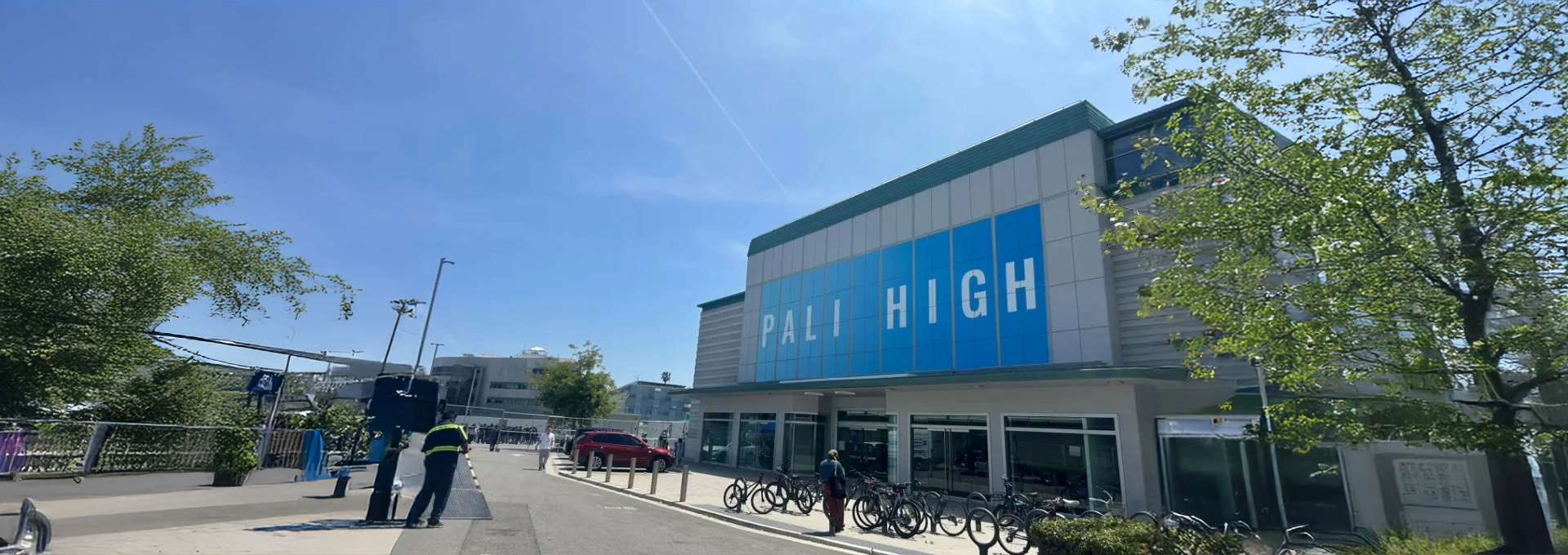
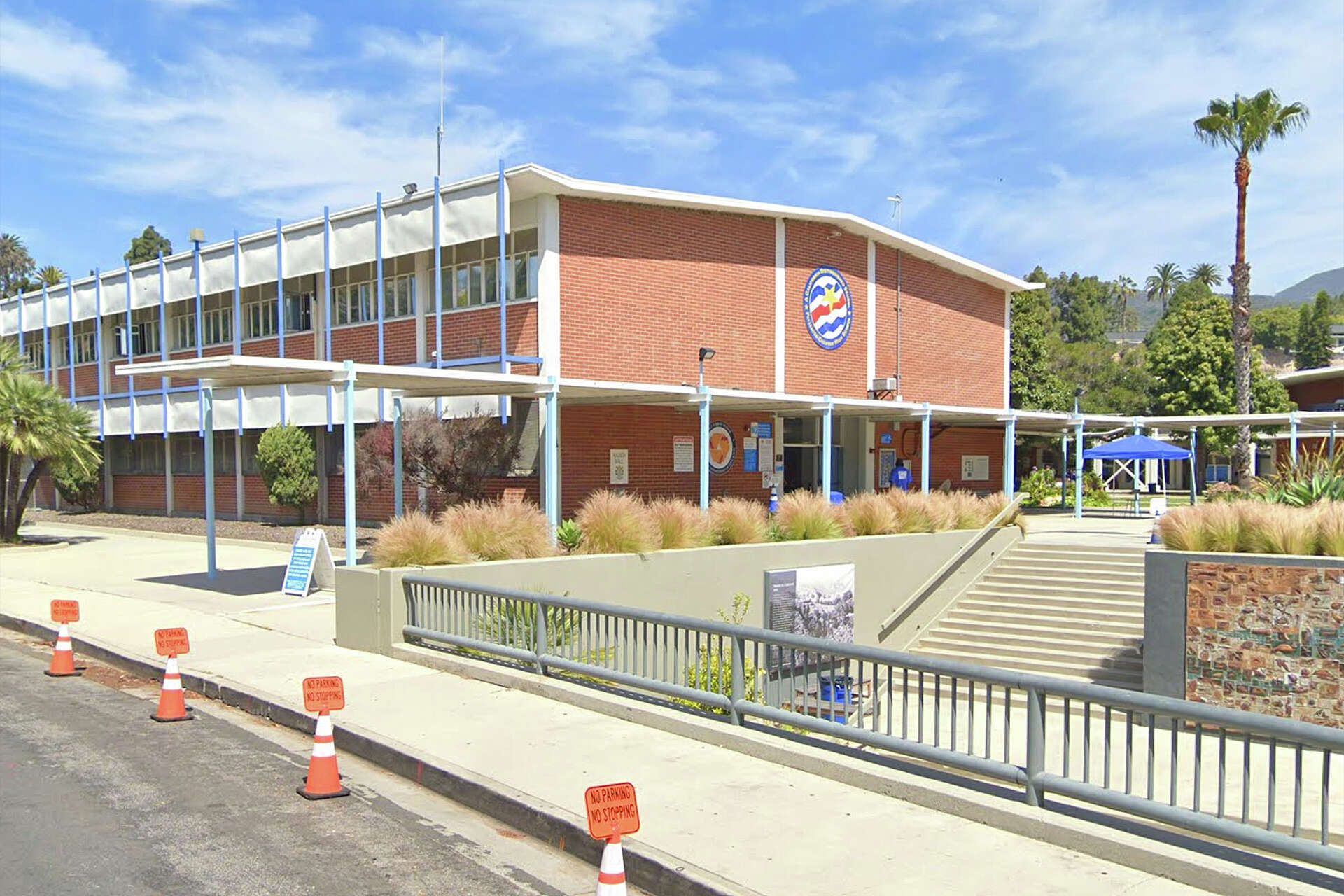
When the Palisades Fire of January 2025—one of the most destructive wildfires in Los Angeles history—swept through Pacific Palisades and burned over 23,448 acres, it destroyed 6,837 structures and forced more than 105,000 people to evacuate. Palisades Charter High School (Pali High) was among the institutions heavily impacted, losing significant portions of its campus as the fire rapidly expanded under extreme Santa Ana winds.
As the school community faced chaos, displacement, and uncertainty, Akins IT immediately stepped in to ensure that learning and operations could continue without interruption.
Akins IT’s Disaster Response: Protecting Data & Restoring Operations
Zero Data Loss — Thanks to Microsoft Azure + Intelligent Backups
During the fire, Pali High’s on‑premise systems were at direct risk. Because Akins IT had already implemented a reliable backup architecture, we were able to move their systems into Microsoft Azure within hours, ensuring no data was lost, no records were compromised, and staff regained secure access quickly.
This rapid migration allowed administrative teams to continue operating while the community dealt with evacuation, damage assessments, and recovery.
Building a Temporary Campus Network in a Former Sears Building
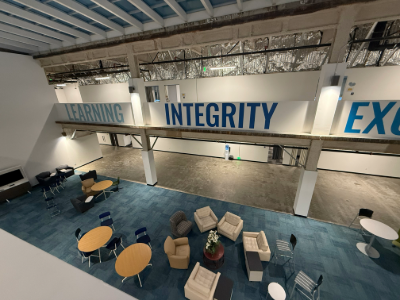
When Santa Monica approved the emergency relocation of Pali High to a temporary campus—nicknamed “Pali South”—inside the old Sears building at 4th & Colorado, Akins IT was tasked with making the site functional for instruction.
City and school leadership were racing against the clock to get students back to in‑person learning, and our team worked alongside them to build a complete IT environment from the ground up.
Complete Network Deployment at the Temporary Sears Campus
Within a very compressed timeline, Akins IT:
- Deployed a fully functional wired and wireless network across a repurposed retail facility.
- Delivered secure WiFi throughout classrooms, hallways, and high‑traffic student areas.
- Configured infrastructure that supported nearly 2,500 students, teachers, and staff.
- Ensured seamless integration with district systems, cloud tools, and instructional apps.
The transformation of the 100,000+ square‑foot Sears building into a modern learning environment was part of a broader emergency effort—including construction crews, architects, and city partners—but Akins IT provided the critical networking backbone that made it all actually work.
Returning Home: Rebuilding the Original Pali High Campus
By mid‑year, reconstruction progress allowed Pali High to return to portions of its original campus. Akins IT again partnered with the school to:
- Re‑engineer the rebuilt network, replacing fire‑damaged systems.
- Deploy new wireless infrastructure supporting both indoor and outdoor academic spaces.
- Reinstate secure connectivity for administrative, instructional, and student networks.
Even as remediation continued—much of the campus had been contaminated with ash from the fire—Akins IT ensured technology never slowed down the school’s recovery.
Looking Forward: New Server Infrastructure for a Stronger Future
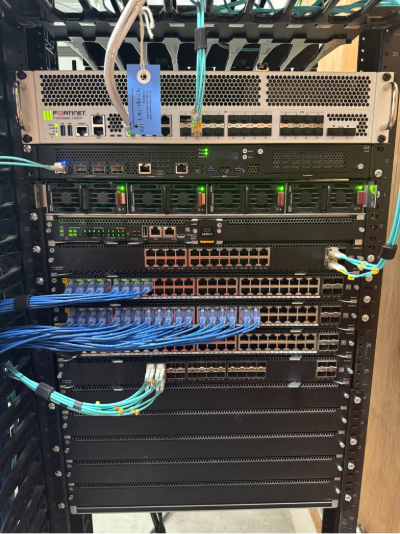
Akins IT is currently in the process of deploying a new, modernized server infrastructure for Pali High. This system is built to be:
- More secure
- More resilient
- Easier for IT staff to manage
- Better aligned with cloud‑first disaster‑recovery strategies
After experiencing a catastrophic natural disaster, Pali High is emerging with a stronger, more flexible, and far more future‑ready technology environment—and we’re proud to be part of their journey.
Why Schools Choose Akins IT
From emergency response to long‑term strategic planning, Akins IT brings:
- Deep experience supporting K‑12 environments
- Strong disaster recovery + backup strategies
- Azure cloud expertise
- Fast, reliable network deployment capabilities
- A focus on safety, continuity, and trust
The wildfire was devastating, but Pali High’s story is one of resilience—and technology played a central role in restoring normalcy for students and staff. As schools across Southern California seek stronger IT foundations, Akins IT stands ready to help build them.